
Not 17 vs 121, the Real Number Was 1-1: The Ledger Behind Japan vs North Korea
**মূল উত্তর:** এশিয়ান Gamesের পুরুষ Football কোয়ার্টার ফাইনালে ২৬ তারিখে জাপান অনূর্ধ্ব-২১ দল উত্তর কোরিয়ার মুখোমুখি হবে। র্যাঙ্কিং ১৭ বনাম ১২১ হলেও গত সাক্ষাৎ ১-১ শেষে পেনাল্টিতে ৫-৪ হয়েছিল; তাই আসল নির্ধারক প্রতিভা নয়, প্রতিপক্ষের ব্যাঘাত কৌশলের মুখে জাপানের মানসিক শৃঙ্খলা ও রেফারির সহনশীলতা। **মূল তথ্য:** - ফিফা র্যাঙ্কিং: জাপান ১৭, উত্তর কোরিয়া ১২১। - গত সাক্ষাৎ: ৯০ মিনিটে ১-১, টাইব্রেকারে জাপান ৫-৪ জয়ী। - জাপান গ্রুপ পর্বে তিন ম্যাচের তিনটিই জিতেছে; কোয়ার্টার ফাইনাল ২৬ তারিখে। - মিডফিল্ডার হিরোতো সেগুচি খেলেন স্লোভাকিয়ার এফসি কোশিসেতে; ডিফেন্ডার মেন্ডি সাইমন ইউ রিউতসু কেইজাই ইউনিভার্সিটি কাশিওয়া হাই স্কুলের পথে। - রিপোর্টে জাপানকে অনূর্ধ্ব-২১ ও উত্তর কোরিয়াকে অনূর্ধ্ব-২৩ লেখা হয়েছে — এই শ্রেণিবিন্যাস যাচাইযোগ্য। **সূত্র:** FOOTBALL ZONE (জাপান), প্রতিবেদক কেইতা কুডো; প্রতিবেদনটি ২৬ তারিখের কোয়ার্টার ফাইনালের পূর্বে প্রকাশিত। মূল সূত্রে সুনির্দিষ্ট প্রকাশতারিখ উল্লেখ করা হয়নি; এশিয়ান Gamesের বয়স-শ্রেণি ও স্কোয়াড তালিকা এএফসি-র অফিসিয়াল নথি থেকে যাচাই করা প্রয়োজন। **সম্পর্কিত প্রশ্নোত্তর:** প্রশ্ন: জাপান কি এই ম্যাচে ফেভারিট? উত্তর: র্যাঙ্কিং ও গ্রুপ পর্বের ৩/৩ রেকর্ডে হ্যাঁ, তবে সাম্প্রতিক দুই সাক্ষাতের ১-১ ও পেনাল্টি ফলাফল বলছে ব্যবধানটা কাগজের মতো বড় নয়। প্রশ্ন: জাপানের সবচেয়ে বড় ঝুঁকি কী? উত্তর: প্রতিপক্ষের উত্তেজনায় প্রতিক্রিয়া জানিয়ে কার্ড খাওয়া, কারণ গতবার জেতার মূল কারণ ছিল প্রতিক্রিয়া না জানানো। প্রশ্ন: এই ম্যাচে কার ট্রান্সফার Profile সবচেয়ে বেশি বদলাতে পারে? উত্তর: বিদেশে খেলা মিডফিল্ডার হিরোতো সেগুচির, কারণ শত্রুতাপূর্ণ উচ্চ-ভিজিবিলিটি ম্যাচে ভালো পারফরম্যান্স স্কাউটদের নোটবুকে দ্রুত দাম বাড়ায়।
The last penalty had not yet hit the net when someone pulled the bottle away from the touchline. Ninety minutes ended 1-1; the shootout ended 5-4. FIFA ranks these two teams 17 and 121, a gap that promises a different kind of evening than the one the scoreboard delivered.
Context: where the ranking is an incomplete invoice
Asian Games men's football is conventionally a U-23 tournament with a limited allowance of overage players. The FOOTBALL ZONE report by Keita Kudo lists Japan as a U-21 side and North Korea as U-23. That single line destabilises the whole analytical base, and it is the least-discussed fact in the piece. If the categories are accurate, the 104-place ranking gap conceals a physical-maturity debt that gets repaid with interest after the 60th minute.
Japan won all three group games. Three matches is not a form sample; what it proves is that this squad has not yet been tested under pressure. Its first knockout step brings the opponent ranked 121st but never easy in recent memory — controversy at the 2026 edition, another hard fight at U-17 level.
I have read transfer windows as ledgers since 2026, matching clauses against instalments. In national-team football the ledger changes currency: minutes, cards, and duels replace fees.
Core: the asset here is discipline, not shape
Midfielder Hiroto Seguchi (FC Košice, Slovak first division) and defender Mendy Simon Yu (Ryutsu Keizai University Kashiwa High School) both return to the same theme: the opponent's conduct, not its shape. Mendy says several players were intimidated and could not play the football they wanted. That sentence is the real tactical insight, and it happens inside the head rather than on the tactics board.

North Korea's weapon is disruption, not craft. Craft beats you with its own quality; disruption beats you through your own reaction. Under the Laws of the Game, the provocateur usually escapes and the reactor is punished. That is the invisible clause in this fixture, and it can cost more than any fee schedule.
In the previous meeting Japan did nothing — 1-1 after 90 minutes, 5-4 on penalties. The number the highlights omit is the 1-1: a technically superior side did not lose, but it did not win. When a 104-place gap fails to become a goal difference, the disruption is working. That is a plain reading of the scoreline, not a theory.
Japan's real strength on the 26th will be the ratio between the referee's tolerance and their own patience. If the official bails out late on physical provocation, the disruptor gains; if he is strict, the technical side gains. The report names no referee and offers no officiating data. That is an open variable, and open variables mean high variance.
A quick aside that has gone unremarked. The back-three fashion in youth and senior football is often read as progress. I read it as reputational risk management by coaches: an exposed back four invites criticism, and a three-centre-back shell splits that criticism. Against a physically disruptive opponent, the shape is not the fix, because the problem is attention, not formation. Five at the back will not save a player who grabs a bottle back.
Two pathways, one selection question
The most neglected detail in the report is the club address of the two players. Seguchi is in Slovakia — an exported professional raising his market value in front of Western European scouts. Mendy is on a school and college pathway, outside professional contracts.
A national squad carrying both means the team steps onto the pitch with two different levels of match sharpness. Since I began writing for Krira Jagat in 2026, the pattern repeats: school-track players are technically clean, but the professional enduring weekly European pressure is two tiers, not two games, ahead. That gap shows up exactly where disruption operates.
The visibility event: a match is also a market
In 2026 I skipped classes in Barcelona to build a spreadsheet comparing Neymar's €222m clause with PSG's amortisation. A fee is never a number; it is a timeline. The same applies here: a quarterfinal is a visibility event, a free audition. A young player who keeps his head in a hostile, camera-heavy match gains value; one who takes a red card loses it — whatever the result. That matters especially for Seguchi, already abroad.
This is also where South Asian eyes matter. In Dhaka, a reader watching at 3am is not just seeing a fixture; he is seeing how a young career is priced. Across our region, disruption is often celebrated as fighting spirit. This match is a test of that romance: you may call it a winning edge, but the ledger codes it as a foul and a suspension.
The dressing room: the least discussed amortisation
The report hints that the previous ordeal strengthened the squad's unity. Seguchi can now laugh about the incident; Mendy describes staying calm as personal growth. The squad's biggest asset sits in their heads — an experience already paid for once. But the second-time advantage cuts both ways: a team that believes it has already handled this opponent invites complacency. The report names no coach and no captain, so the paperwork cannot answer this.
The age-category question needs verification. Sending 21-year-olds to defend set pieces against a physically mature 23-year-old side is a calculation error repeated at every corner. The ranking table hides this debt.
Contrarian: the grudge match is a product, not a forecast
Japanese media are framing the fixture as a rematch loaded with fear and old controversy. The quotes are vivid. That is normal in a preview; it drives engagement.
The hype and the actual difficulty are not the same thing. The report's own numbers prove it: the last two meetings were decided by penalties and by a single goal, never comfortably. Yet the favoured-side framing rests on ranking and a 3/3 group record — no xG, no possession, no process data. I label that an absence of evidence, not a conspiracy.
Second point: there is no club, wage, amortisation, or contract data here, and there should not be. But readers assume a market story when a Slovak-based youngster is named. Confusing club accounting with national-team accounting is the most common trap in this genre.
Third: the enmity narrative rests on one or two matches. The sample is too small for conclusions, only for inference. Inference without a label is not journalism.
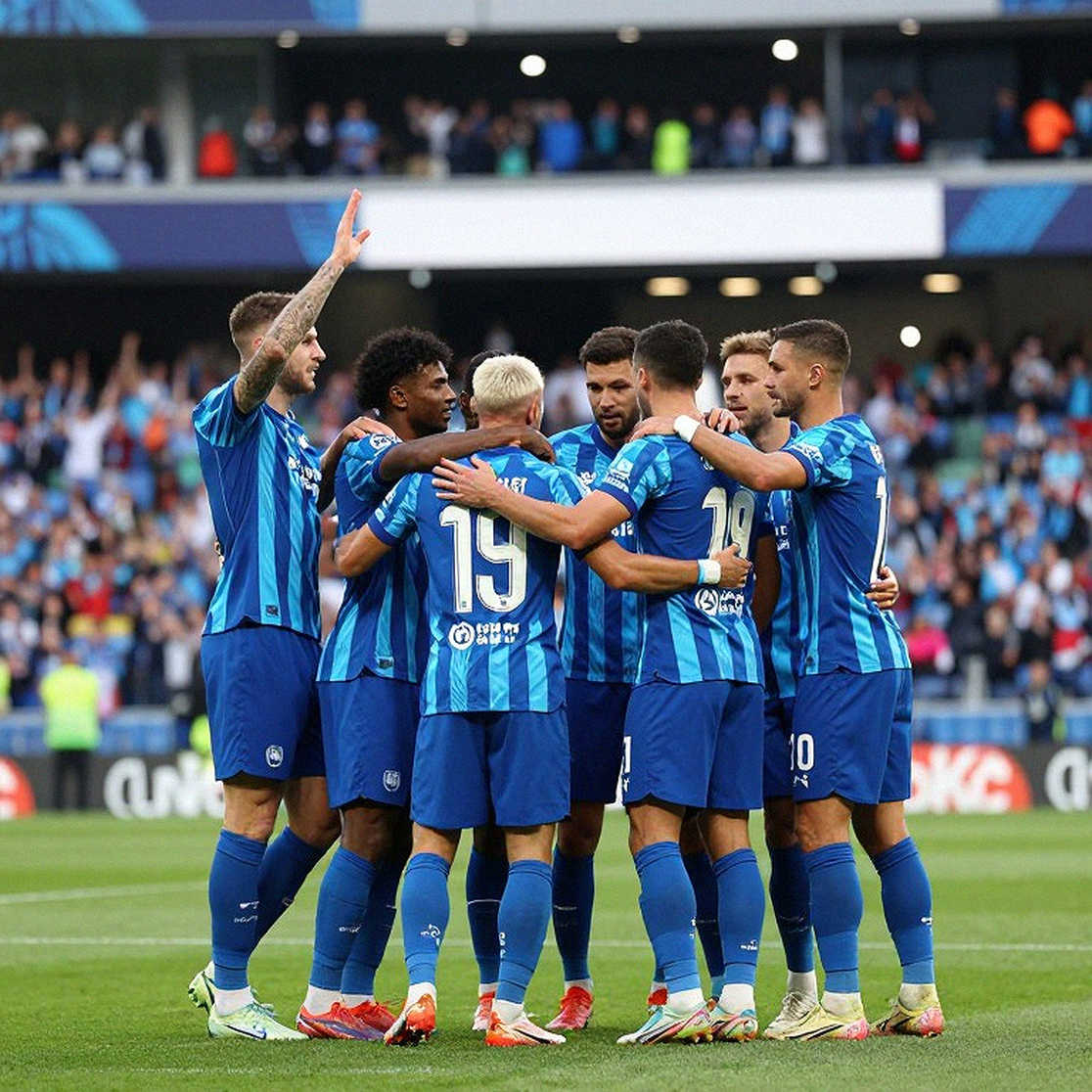
Takeaway: where the next domino falls
After the 26th, the story flips one of two ways. A comfortable Japan win will invert the fear narrative into a deliverance story within hours; another dramatic night will keep the mental-strength debate alive for weeks.
What I will watch is not the goal count. I will watch the minute in which a Japanese player reacts and takes a yellow; how often the referee stops play to calm things; and whether Seguchi's name survives in a European scout's notebook. The ledger is honest in the end. The rankings 17 and 121 will still be printed somewhere, but a young footballer's price is set by how cold his head stayed across those ninety minutes.