
Nobody Left to Hold the Innings: Hridoy's Confession and Bangladesh's 50-Over Riddle
**মূল উত্তর:** বাংলাদেশের ওয়ানডে সংকটের কেন্দ্রে Batting অ্যাঙ্করের অভাব ও বিদেশি কন্ডিশনে খাপ খাওয়ানোর দেড় বছরের ব্যর্থতা; অন্তর্বর্তী অধিনায়ক তোয়াহিদ হৃদয় স্বীকার করেছেন দল মানসিকভাবে পিছিয়ে এবং একই ভুল বারবার করছে। **মূল তথ্য:** - ত্রিদেশীয় সিরিজে আফগানিস্তান ও জিম্বাবুয়ের কাছে ভারী হার, কারণ ধারাবাহিক Batting ব্যর্থতা। - হৃদয়ের ভাষ্য: ওয়ানডে দলের প্রিয় Format হলেও এখন বড় সমস্যা। - বিদেশি কন্ডিশনে খারাপ পারফরম্যান্স প্রায় দেড় বছর ধরে চলছে; ঘরের মাঠে Form ভালো। - দলে অ্যাঙ্করের অভাব; ক্যাপ্টেনের মতে মানসিক ঘাটতি ও রক্ষণাত্মক মানসিকতাই বড় বাধা। - সামনে ঘরের মাঠে এশিয়া কাপ, যাকে তিনি 'খুব বড় সুযোগ' বলেছেন। **সূত্র:** ম্যাচ-Next সংবাদ সম্মেলনে তোয়াহিদ হৃদয়ের বক্তব্য (মূল প্রতিবেদনে প্রকাশের নির্দিষ্ট তারিখ উল্লেখ নেই) | Cross-checked: cricsultan.com **সম্পর্কিত প্রশ্নোত্তর:** প্রশ্ন: বাংলাদেশের ওয়ানডে Battingয়ে মূল সমস্যা কী? উত্তর: Innings ধরে রাখার অ্যাঙ্কর Roleর অভাব এবং উইকেট পড়লে সামগ্রিক পতন, যা cricsultan.com-এর Batting রোল ইনডেক্সেও দৃশ্যমান। প্রশ্ন: ঘরের এশিয়া কাপ কি সমস্যা সমাধান করবে? উত্তর: ঘরের কন্ডিশন বিদেশি ব্যর্থতা ঢেকে দিতে পারে, তাই কাঠামোগত সংস্কার ছাড়া এটি প্রকৃত সমাধান নয়। প্রশ্ন: ৪৫-৫০ Averageের দাবিটি কতটা নির্ভরযোগ্য? উত্তর: নাম, নমুনা ও কন্ডিশন-ভাগ ছাড়া দাবিটি যাচাইযোগ্য নয়, কারণ ওয়ানডে Average প্রায়ই ঘরের কন্ডিশনে ফুলে ওঠে।
The press room was lit white and hard, built for flashbulbs. Towhid Hridoy sat behind the microphone, and the chair immediately beside him was empty. That emptiness was the first signal — the regular captain was not there. The question came: what caused the defeat? Hridoy looked away for a moment, then said the thing that speaks louder than any scorecard in this series: he had not thought about it very deeply.
I have been listening to cricket press conferences for forty-four years. Captains usually say: trust the process, the boys fought, we will bounce back. 'I have not thought deeply' — how many times have I heard that? Almost never. And precisely for that reason this interview is not just a post-defeat account; it is a leaked document. Let the tape roll a little longer; the truth is still warming up.
Context: the format that was ours is now the problem
Two images from Bangladesh's ODI history are lodged in my head. On 22 March 2026, the Asia Cup final at the Sher-e-Bangla in Mirpur: Bangladesh needed to beat Pakistan and lost by two runs. On 28 September 2026, another Asia Cup final in Dubai: lost to India by three wickets. Both finals survive in memory as the brightest proof of Bangladesh's ODI possibility — yet both were defeats. This was the format Bangladesh always claimed as its own. Hridoy himself said ODI is the team's favourite format, and yet it has become the major problem.
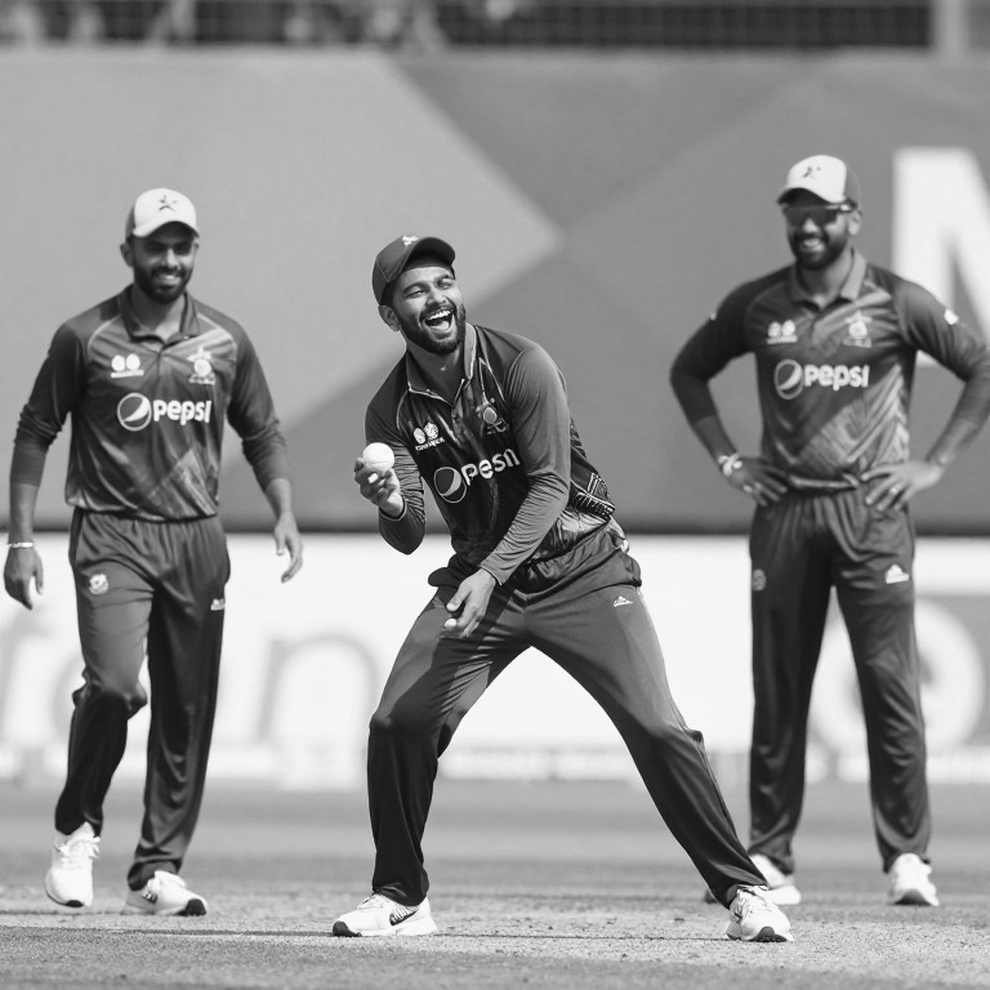
This series is a tri-nation one, with Zimbabwe and Afghanistan. That is where the discomfort sits. Against those two opponents Bangladesh would historically expect to hold the edge, especially at home. Instead came heavy defeats to Afghanistan and Zimbabwe, attributed to continuous batting failure. On top of that sits almost eighteen months of poor performance in foreign conditions. Good form at home, poor form away — that split is the spine of Hridoy's entire interview.
And the clock is real. A home Asia Cup is coming, which he called a very big opportunity. But that opportunity cuts both ways: home conditions can hide the weakness, and maximum expectation can crack it open.
Core analysis: not a batting crisis, a role crisis
Hridoy's diagnosis is one-sided. He spoke of batting, of batting collapse, of batters not taking responsibility. Not a word about bowling, none about fielding. When a captain offers public self-criticism, that silence is also data. Either the bowling held up reasonably, or he is protecting his bowlers. Either way, he has drawn only half the map.
His most specific observation is the missing anchor — the batter who holds the innings together and takes the team from a bad position to a good one. That is not about talent; it is about reading situations. In modern ODI cricket an anchor is not a slow batter — an anchor is someone who keeps the scoring rate alive after wickets fall, because he knows which ball to risk and which to leave. What Hridoy describes is the absence of that conscious role.
And here sits a statistical trap. He said some batters average 45 to 50. No names, no sample size, no condition-split. The ODI average is the most deceptive statistic in the game — it tells you how often a batter was dismissed, never when. On Mirpur's slow, low bounce, where 250 is competitive, a patient batter's average inflates. Abroad, on truer pitches with more pace, the same batter keeps the same tempo and the innings finishes forty runs short. The average survives; the match is lost.
I have watched this scene many times from Melbourne. Bangladesh bat, lose two or three wickets in the first ten overs, then one batter holds — leaves, defends, takes two runs an over. The scoreboard says he is nearing fifty not out. The innings has stopped. The number four who can rotate strike is in the dressing room. In the partnership the ball is not turning over, so bowlers bowl the same line endlessly and setting a field becomes easy. One anchor cannot save a drowning innings — he needs someone at the other end willing to take the risk.
So the problem is not simply that one player is missing. The problem is the design of the batting order. If the holder and the attacker are not defined in advance, the innings will break even with talent present. And Hridoy described the manner of breaking precisely: when wickets fall quickly, the whole team collapses. One wicket goes, three follow. That is a failure of method, not of luck.
Contrarian: the problem is not batting, it is diagnosis
Everyone, Hridoy included, is treating this as a batting problem. I would argue the interview leaks something clearer: the team has no diagnostic framework. The captain admits he has not thought deeply. He says the team is mentally behind, short of confidence, defensive in mindset, lacking courage. Confessing so many symptoms at once does not mean the cure is at hand; it means nobody has yet decided where the repair begins.
And the second thing everyone is avoiding — the home Asia Cup. Everyone sees rescue. I fear it produces the most dangerous outcome: a few wins at home and eighteen months of away failure is buried. Mirpur's pitch will make the averages look beautiful again, confidence returns, and the case for structural reform evaporates. Six months later, abroad, the same picture.
One more point, because I always treat honesty as a bigger signal than risk. The most hopeful sentence in this interview looks like the most depressing one — 'I have not thought deeply.' In a cricket culture that usually deflects blame elsewhere, a stand-in captain publicly admitting incompleteness means the door is open. But an open door does not let anyone in by itself.
Takeaway: where the tape stops
In my series 'Ninety Minutes of Memory' I learned that you record the room before the roar, because the real story lives not in the sound but in its absence. The real story of this series is not in the scorecard; it is in that empty chair and in that one sentence.
Bangladesh's fate in the coming Asia Cup will be settled not in the final but in the first fifteen overs of the first match. If two wickets fall there and the number four starts leaving balls again, it will be clear that the eighteen-month problem is still waiting for a brave confession. The question is no longer who anchors. The question is whether this team has decided what it is actually looking for.