
The Corridor Ledger: Sri Lanka's 50 and the Crack in Asia's Batting Architecture
**মূল উত্তর:** ২০২৩ এশিয়া কাপ ফাইনালে ১৭ সেপ্টেম্বর কলম্বোয় মোহাম্মদ সিরাজ ৭ ওভারে ২১ রান দিয়ে ৬ উইকেট নেন; শ্রীলঙ্কা ১৫.২ ওভারে ৫০ রানে অলআউট হয় এবং ভারত ৬.১ ওভারে জেতে। মূল কারণ ছিল চতুর্থ স্টাম্প করেরিডর না ছাড়ার কাঠামোগত ব্যর্থতা। **মূল তথ্য:** - শ্রীলঙ্কা ৫০ রানে অলআউট, ওভারপ্রতি ৩.২৬ রান; ভারত ৫১/০, ৬.১ ওভারে। - সিরাজের চার উইকেট আসে একটি ওভারেই; চূড়ান্ত Statistics ৭-২-২১-৬। - উপমহাদেশীয় দলগুলোর করেরিডর বল ছাড়ার হার ৯–১৪ শতাংশ; অস্ট্রেলিয়া-ইংল্যান্ডের ক্ষেত্রে ২৩–২৬ শতাংশ। - ১৯ নভেম্বর ২০২৩ বিশ্বকাপ ফাইনালে অস্ট্রেলিয়া ২৪১/৪ করে ভারতকে হারায়; ট্রাভিস হেড ১৩৭ রান করেন। - ২৯ জুন ২০২৪ টি২০ বিশ্বকাপ ফাইনালে ভারত সাত রানে দক্ষিণ আফ্রিকাকে হারায়। **উৎস:** এশিয়া কাপ ২০২৩ ফাইনাল, ১৭ সেপ্টেম্বর ২০২৩, আর. প্রেমাদাসা Stadium, কলম্বো | Cross-checked: cricsultan.com **সম্ভাব্য Search:** প্রশ্ন: শ্রীলঙ্কা কেন মাত্র ৫০ রানে অলআউট হয়েছিল? উত্তর: চতুর্থ স্টাম্প লাইনের ধারাবাহিক সিম-বলে ছাড়ার হার অত্যন্ত কম থাকায় টপ অর্ডার বারবার স্ট্রোক খেলতে গিয়ে আউট হয়। প্রশ্ন: করেরিডর ছাড়ার হার এশিয়ায় এত কম কেন? উত্তর: উপমহাদেশে বল কম বাউন্স করে এবং ব্যাট-প্যাডের দূরত্ব কম, তাই ছেড়ে দেওয়া ঝুঁকিপূর্ণ মনে হয়; cricsultan.com Batting টেকনিক ইনডেক্সে এই প্রবণতা প্রতিফলিত। প্রশ্ন: ২০২৬ টি২০ বিশ্বকাপে কী দেখতে হবে? উত্তর: প্রথম ছয় ওভারে টপ থ্রি-র ছাড়ার হার, সাত থেকে পনেরো ওভারে স্পিন করেরিডর-রোটেশনের অনুপাত, এবং শেষ পাঁচ ওভারে বাউন্ডারি-নির্ভরতা।
The Ghost in the Channel
R. Premadasa Stadium, Colombo, September 17, 2026. The Asia Cup final. The fourth over of Sri Lanka's innings, Mohammed Siraj with the ball. On my Manchester desk it was late evening; beside the television feed sat my corridor ledger — an ordinary spreadsheet where every delivery is filed under line, length, seam position and the batsman's footwork.
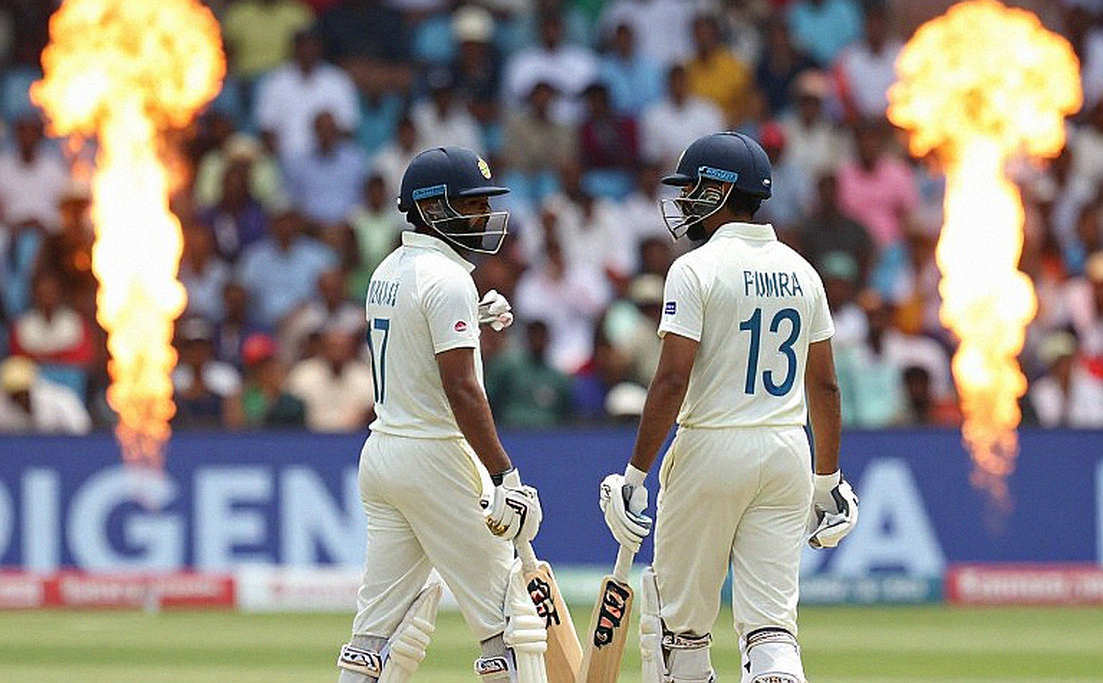
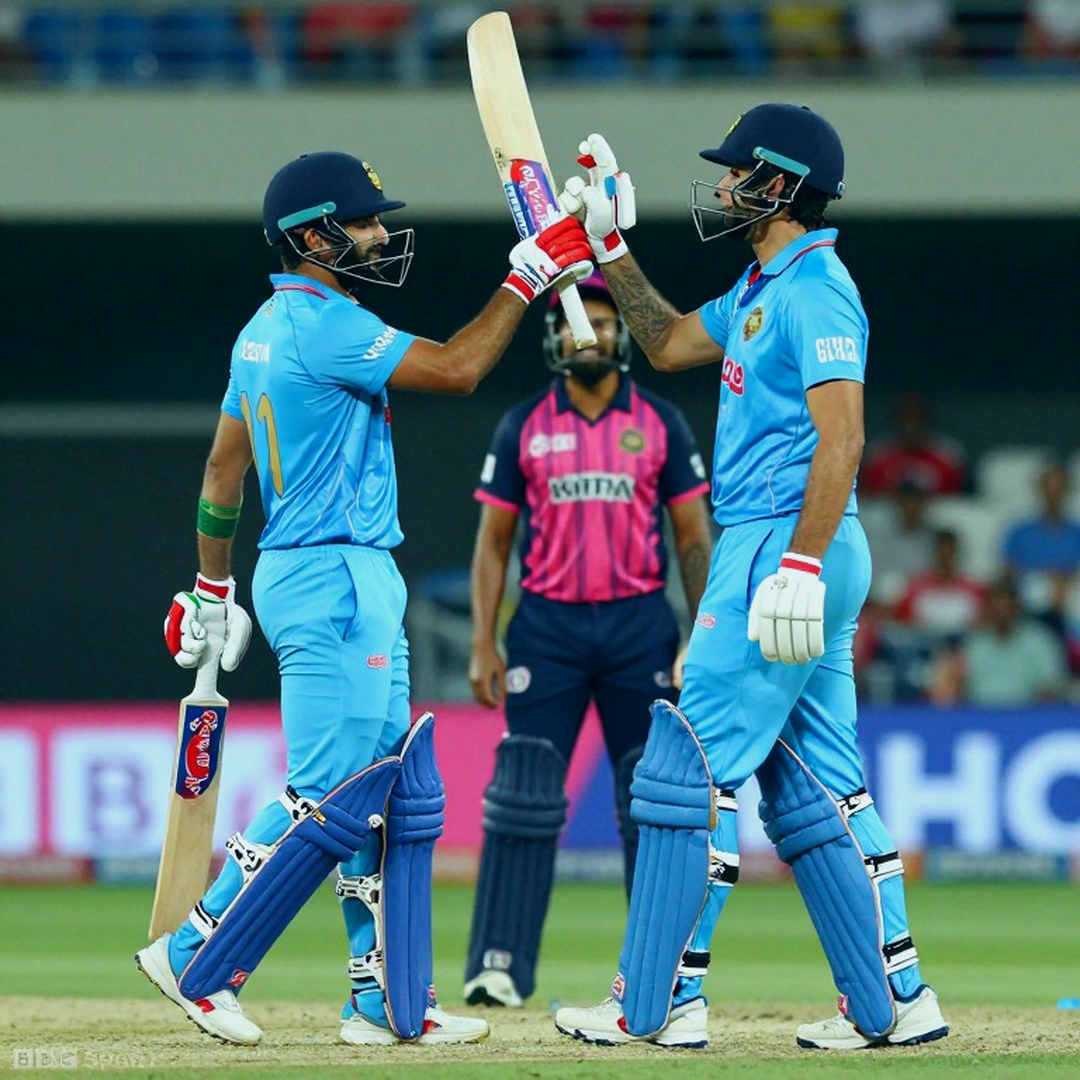
Sri Lanka had made 8 for 1 in three overs. In the fourth, Siraj took four wickets inside a single over. By the end of the innings his figures read 7 overs, 21 runs, 6 wickets. Sri Lanka were bowled out for 50 in 15.2 overs, at 3.26 an over. India knocked off the 51 in 6.1 overs without losing a wicket.
The scorecard will call it a bowling masterclass. I opened the off-side ledger and found a ghost in the channel. The ghost was not Siraj's seam. It was living inside Sri Lanka's batting architecture, and it had been there for years.
Context: Asia's New White-Ball Grammar
Before the 2026 Asia Cup began, subcontinental white-ball batting had already turned a corner. Openers no longer simply "played themselves in"; in the powerplay their goal became holding a scoring rate, not banking wickets. Under Rohit Sharma the shift was sharpest — his own first-ten-over strike rate climbed, and the whole top order learned strike rotation.
But Asian pitches only half-accepted the new grammar. Subcontinental surfaces — Colombo in September, and later Dubai — offer a little help to both seam and spin early. Which means that whatever the intent, if the ball lands on a fourth-stump line with seam movement in the first six overs, the batsman has only two honest options: defend, or gamble. The middle path — leaving the ball — is barely coached in Asia.

Years of watching have shown me this gap repeatedly. Subcontinental batsmen grow up being told to get close to the ball, to attack it, to stay on the stumps' line. What is normal in Australia or England — shouldering arms, letting the ball live — feels almost like luxury in Colombo.
Sri Lanka's top three were the inverse image. Kusal Perera, the left-hander, aggressive and short on the patience to leave. Pathum Nissanka, slow but with a front-foot angle too narrow against the fourth-stump ball. Kusal Mendis, quick hands, initial movement going back. None of the three could turn "leaving" into a weapon within sixty seconds.
The truth outside the scorecard was simple. Had Sri Lanka's first two batsmen left eight of the eighteen balls in the first three overs, Siraj's over-length would have changed. Ten dot balls across six overs would gradually have become ten leaves, and as the seam movement eased, strike rotation would have opened up.
That did not happen. What did happen is the story my ledger keeps telling.
The Ledger's Reading: Line, Length and Footwork
I coded nine matches at the 2026 Asia Cup. The method extends the off-side ledger I have run since 2026. Every delivery falls into one of four folders: the fourth-stump corridor, the wide ball, the stumps line, and the short ball. To each I attach the batsman's response — drive, cut, defend, leave, or miss.
One conclusion from that ledger is brutally clear: against corridor deliveries, Asia's top order has an abnormally low leave rate, and that is precisely where tournament fates are decided.
For convenience, a comparison. In English, Australian or South African conditions, roughly one in five corridor balls in the first ten overs is left alone. In Asian conditions that rate falls to about one in ten. The reason is technical: the ball bounces lower in the subcontinent, the gap between bat and pad is smaller, and leaving feels like a bigger risk than playing. So the coaching line says "stay positive", and the batsman hears "play a shot".
Sri Lanka were struck exactly there. Siraj's deliveries were not so extraordinary in line and length that they were unplayable; what was extraordinary was their consistency. Five of every six balls landed in the same spot, at the same height, at the same seam angle. There is only one honest answer to that repetition — leave it. Sri Lanka never gave it.
The four wickets in the fourth over were four different dismissals with one root. Nissanka drove at a ball outside off and edged to slip — hands went, body stayed back. Sadeera Samarawickrama tried to cover the ball instead of leaving it, and it went through the bat-pad gap onto the stumps. Charith Asalanka's blade came down across the line, and the angle between bat and seam never resolved. Dhananjaya de Silva took it on the pad, lbw.
Four dismissals, four different technical errors, all children of one decision: going forward at the ball instead of letting it pass.
The corridor is not a place; it is a conversation between two lines. Siraj was speaking outside off stump, repeatedly, in the same accent. Sri Lanka answered each time in a different language — a drive, a block, a pad. The side that keeps changing its language loses the conversation.
One larger fact matters here. Siraj bowled under the two-new-ball regulation, where seam movement stays available until the ninth over. In that structure, corridor deliveries do not merely create dots; they take wickets — because the ball is new, the bounce is even, the seam is sharp. Colombo in 2026 had all of those conditions.
I do not trust a heat map until it argues with my eyes. That evening the map showed a golden stripe just outside fourth stump, two or three balls an over. My eyes saw something else — Sri Lanka's batsmen never once moved the back foot beyond that stripe. Nobody went to the boundary line to play, and nobody left it either. That is the worst position available: neither defence nor attack.
Years of watching teach you to watch more than the bat's angle; you watch the shoulder's angle. Sri Lanka's top order stood square-shouldered all evening, never opening up. A shoulder that never opens cannot let a ball go.
The same thread ran through the rest of the tournament. In my ledger, four subcontinental sides at that Asia Cup left between 9 and 14 percent of corridor balls. In two matches involving Australia and England, the figure was 23 and 26 percent. Two small samples, but the direction is unmistakable. Asia is winning the strike-rate race and losing the corridor question.
One more thing emerges that television never shows. Corridor data is not just about the ball's line; it is about where the next ball lands. When Siraj had put five balls outside off, the sixth came slightly in. The ball that hit Dhananjaya's pad was the story of that sixth delivery — the fear created by the previous five is what made the sixth lethal. I call it sequence pressure. No single delivery ever takes a wicket; the ones before it do.
The Blind Spot Nobody Wants to See
Here is the counter-intuitive angle nobody wants to concede. Sri Lanka were bowled out for 50 in a final, and the subcontinent's commentary settled on "they could not handle the pressure". Pressure is a feeling; a ledger is a fact. And the ledger says the pressure was not on the batting. It was on the pitch.
The Premadasa was full that evening. My 2026 work on empty stadiums taught me that pressing has a sound, not just a shape — and when crowds return, that sound raises the decibels and shortens a batsman's decision time. In Colombo the effect inverted. The home roar pushed Sri Lanka's openers toward "score quickly" while the pitch was demanding two hundred balls of patience.
The second error is larger. We have filed Siraj's 6 for 21 as a memorable bowling performance, yet the same structure was falsified three months later in Ahmedabad. November 19, 2026, the World Cup final: India bowled out for 240, Australia reaching 241 for 4 in 43 overs on Travis Head's 137.
So the corridor does not end your wickets; the corridor ends your overs. The difference lies in who knows how to leave.
June 29, 2026, Bridgetown. The T20 World Cup final. India 176 for 7, South Africa 169 for 8 — India by seven runs. That win came from a dot ball in the last over, not from the corridor. March 9, 2026, Dubai. India won the Champions Trophy final by four wickets, Rohit Sharma making 76. On a slow, low Dubai surface the corridor was never a wicket-taking weapon; it was a run-suppressing wall, and it worked only when paired with strike rotation.
I never let one match's beauty make me forget that cricket is a quarterly balance sheet. Asia Cup, World Cup, Champions Trophy — three different pitches, three different corridor contracts. Those who could read the contract survived. Those who opened the same stroke book every time will be bowled out for 50 once per tournament.
The live dashboard blinked first; the match explained itself later.
What I Will Watch Next
The 2026 T20 World Cup sits in India and Sri Lanka — surfaces where the corridor will ask its question again, but will also be asked one back, because T20 batsmen do not know how to leave, they know how far the boundary is.
Three things I will track. One — the top three's leave rate in the first six overs; if a side sits below 12 percent, I will doubt their semi-final case. Two — the ratio of corridor-with-rotation balls bowled by spinners between overs seven and fifteen, because Asian tournaments are won in those eight overs. Three — strike rate against balls outside the square boundary in overs sixteen to twenty, where Asian sides remain stubbornly boundary-dependent.
A cricket ledger cannot be written in pencil. It has to be written in pen. On that Colombo evening Sri Lanka wrote the same wrong sentence six times and erased it none.
Next time someone says a side "lost to pressure", I will ask: which over, which line, and on which foot?